

Build a Career in Health & Nursing
A career in health and nursing means caring for patients, leading teams, and improving outcomes across one of the fastest-growing sectors of the economy, from hospital units and community clinics to public health agencies and health system leadership. Whether you want to advance into specialized practice, move into nursing leadership, or shape care delivery and policy, an advanced credential from the University of Pittsburgh gives you the clinical expertise, evidence-based practice, and professional network to grow your impact without stepping away from the patients you serve.
What a career in health and nursing can do for you:
- Strong, sustained demand — Registered nurses, nurse practitioners, and health services managers are projected to be among the fastest-growing occupations through 2034, driven by an aging population and expanding access to care.
- Higher earning potential — Advanced practice nurses and health leaders consistently out-earn their peers, with nurse practitioners and nurse anesthetists among the highest-paid roles in healthcare.
- Specialized career pathways — Move into advanced practice, informatics, education, administration, or population health, with credentials that open doors to roles you can’t reach with a bachelor’s alone.
- Skills that scale your impact — Lead units, design protocols, and influence outcomes for hundreds or thousands of patients—not just the ones in front of you today.
- A lasting professional network — Join a Pitt alumni community more than 350,000 strong, with deep ties to UPMC, regional health systems, and nursing and public health employers nationwide.
What a Career in Health & Nursing Looks Like
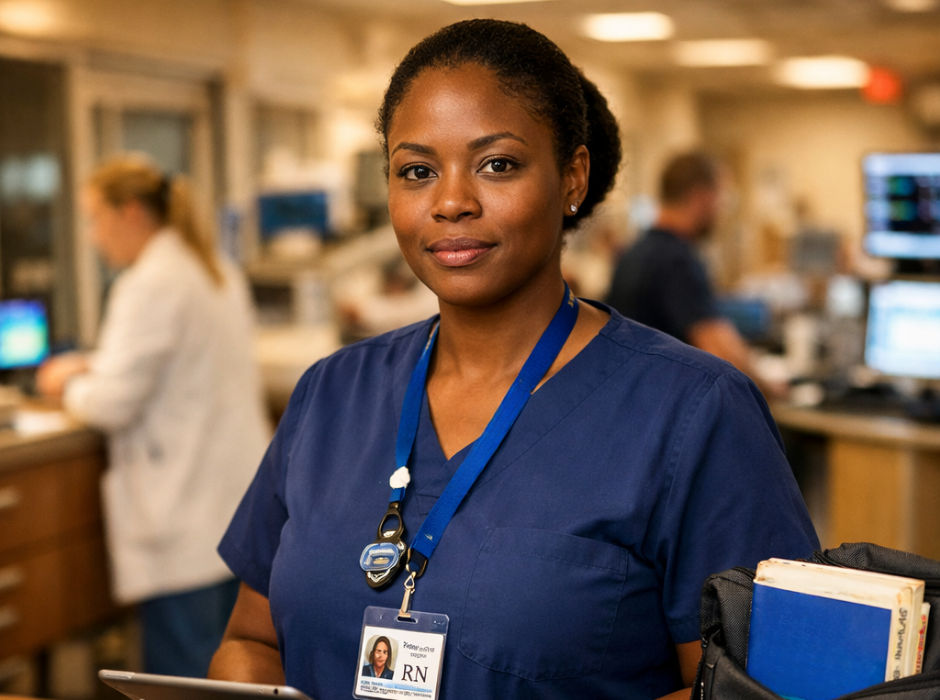
Health and nursing professionals provide direct patient care, manage clinical operations, lead health systems, and develop the policies that shape health outcomes. From bedside nursing to health informatics to executive leadership, these roles require clinical expertise, interpersonal skills, and the ability to navigate complex systems.
Pitt Online programs build on your clinical foundation with advanced coursework that prepares you for nurse practitioner roles, doctoral-level leadership, and specialized practice areas. Faculty bring both academic excellence and clinical experience, ensuring your education connects directly to professional practice.

Programs That Prepare You for Health & Nursing Careers
Health & Nursing Careers in Demand
Engineering professionals are in high demand across energy, construction, and infrastructure sectors, with strong salary potential and steady projected growth.
- Physician Assistants +20% by 2033 - $133,260 per year
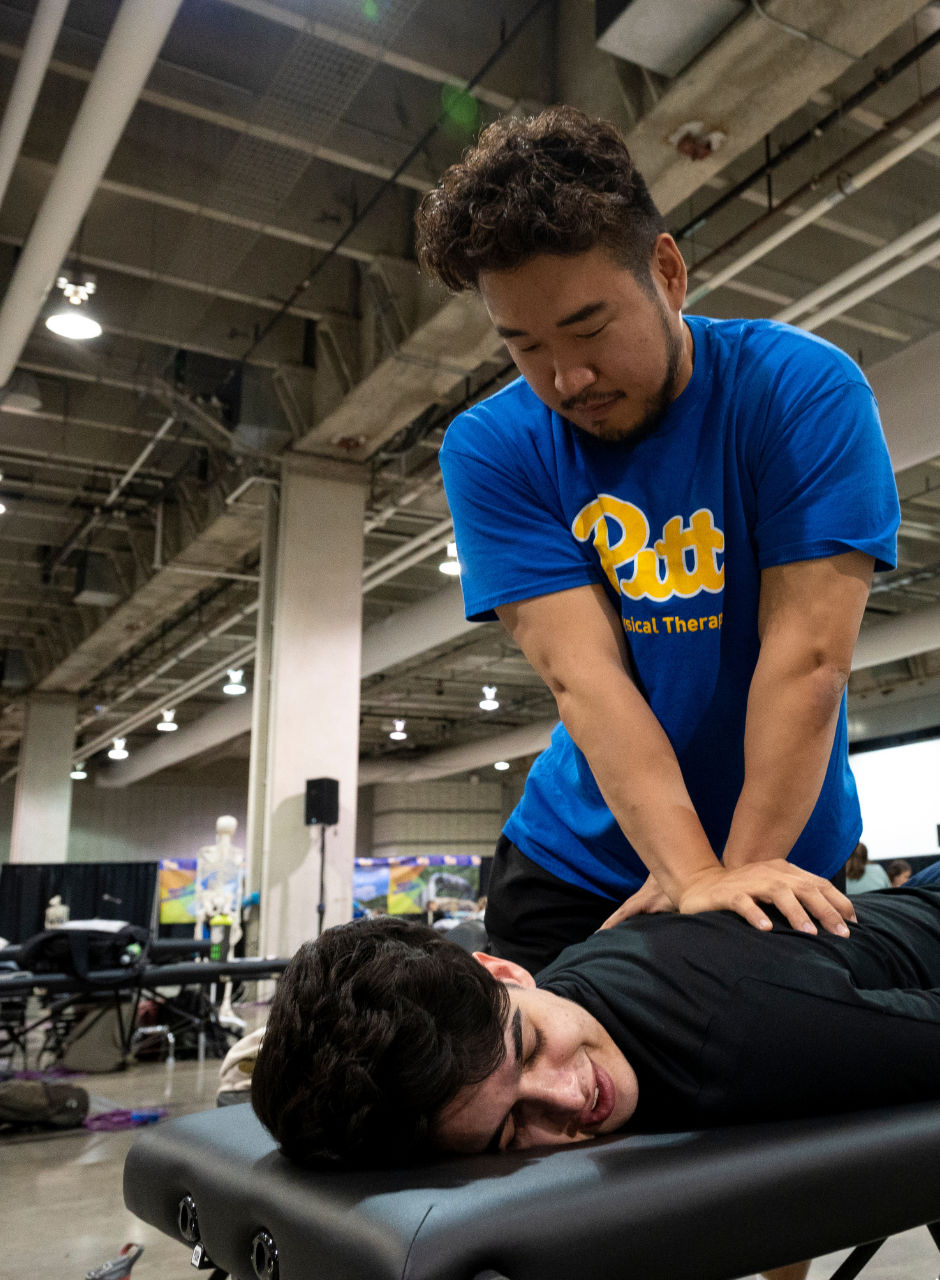
- Physical Therapists +11% by 2033 - $101,020 per year
- Nurse Practitioner +35% by 2033 - $132,050 per year
- Registered Nurses +5% by 2033 - $93,600 per year
- Occupational Therapists +14% by 2033 - $98,340 per year
Source: Bureau of Labor Statistics, Occupational Outlook Handbook
Education That Works Where You Work
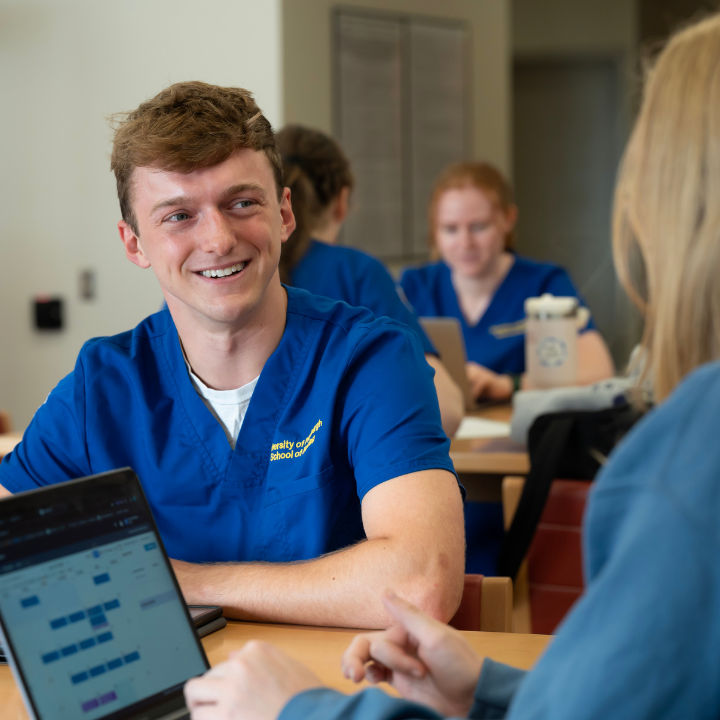
Pitt Online programs are designed by faculty who understand what employers need and what professionals experience—from leadership and technology to the front lines of patient care. That includes some of the nation’s first hybrid clinical degrees, like our hybrid PA and hybrid DPT programs, which create accessible, entry-level pathways into high-demand health professions. Across every program, curriculum emphasizes practical application, so you can put what you learn to work immediately. Our graduates don’t just earn credentials; they gain capabilities that translate directly into career growth and new opportunities.

Find the Right Program for Your Goals
Not sure which path is right for you? Share your interests and goals, and our enrollment team will help you explore programs that match your career aspirations.
